Meet FAA Part 107 insurance requirements
You must follow FAA Part 107 rules when you fly for work. That means you need to be a remote pilot with a Part 107 certificate, and your flights must meet FAA limits. For insurance, carriers will ask if you fly under Part 107 and what kinds of operations you run. State the keyword in paperwork where relevant: Drone Insurance: Necessary Coverage and Requirements for Commercial Operations — it signals to insurers you know the baseline rules.
Pick coverage that matches the risk of your job. If you film on busy streets or inspect towers, you need higher liability limits than if you fly in empty fields. Your insurer will want details: flight area, altitude, payload, and whether people or property are nearby. Be ready to explain your emergency plan and maintenance checks; those lower your cost and show you take safety seriously.
Keep records neat. A clear claims history, recent training, and a steady maintenance log make you look trustworthy. When you shop for policies, compare deductibles, exclusions, and whether the policy covers hull damage, bodily injury, and third-party property. Don’t guess—ask the insurer exactly what is covered and get it in writing.
What FAA rules expect from you
The FAA expects you to hold a Remote Pilot Certificate and keep it with you when operating. Follow operational limits: day VFR unless you have waivers, stay below 400 feet unless otherwise authorized, and give right of way to manned aircraft. If your work needs flying over people, over moving vehicles, or beyond visual line of sight, obtain the proper waivers.
You also must follow maintenance and record rules. Keep logs of inspections, repairs, and any incidents. The FAA and insurers will want to see that your aircraft is safe to fly—treat your paperwork like fuel.
Documents to show your insurer
Provide a complete pack: your Part 107 certificate, drone registration, maintenance logs, and proof of waivers or waivers in progress. Include an operations plan with maps of flight areas and typical altitudes. Bring proof of training and any manufacturer service letters. If you use subcontractors, show their certificates and insurance too. Honesty speeds claims and builds trust.
| Document | Why it matters |
|---|---|
| Part 107 certificate | Proves you are legally qualified to fly commercially |
| Drone registration | Links the aircraft to you for liability and investigation |
| Maintenance logs | Shows your aircraft is safe and cared for |
| Waivers/COAs | Required for operations outside standard Part 107 limits |
| Proof of training | Lowers perceived risk and can reduce premiums |
Keep Part 107 proof ready
Keep a digital and paper copy of your Part 107 certificate accessible on your phone and in your bag. Quick proof prevents delays and shows you run a professional operation.
Choose commercial drone insurance limits for your ops
Pick insurance limits that match what you do and where you fly. Read contracts, talk to your broker, and match limits to client rules and local laws. Note that Drone Insurance: Necessary Coverage and Requirements for Commercial Operations is often required by clients and regulators, so plan for it up front.
List typical missions: surveys, inspections, events, deliveries. For each mission mark the value of people and property nearby and the cost of a claim if you damage them. If you fly over crowds or near roads, choose larger liability limits.
Price matters, but don’t let low cost lure you into weak cover. Balance premium against the size of a worst-case claim. Talk scenarios—broken windshield, hospital bills, or third-party lawsuits—to set practical numbers.
How to pick liability limits
Start with basics: lender, client contracts, and local rules might force a minimum. If a client asks for $1,000,000 liability, get at least that. Make a short checklist of requirements for each job before you bid.
Next, consider likely worst-case costs: medical bills, property repair, legal fees. Add a safety cushion. If you work near people or valuable equipment, lean higher.
When you need higher coverage
Raise limits for high-risk clients or events: concerts, construction sites, or busy roads. Also increase coverage if you use heavy or multiple drones or run extended operations away from base—one big claim can wipe out a small company.
Compare policy limits
Compare limits by what each level covers and the real-life situations they protect. Read exclusions, sublimits, and how the insurer handles legal defense.
| Limit level | Typical use | What it protects | When to pick |
|---|---|---|---|
| $500K | Small jobs, low crowd exposure | Minor property damage, small injuries | Solo pilot, rural or controlled sites |
| $1M | Standard commercial work | Moderate claims, legal fees | Most contractors, client minimums |
| $2M | High-risk ops, large clients | Major claims, lawsuits, complex defense | Events, urban flights, big contracts |
Add UAS hull insurance to protect your aircraft
Buy hull insurance to protect your aircraft from physical loss. A crash, hard landing, or theft can cost thousands; hull coverage shifts that shock to an insurer so you can get back to flying faster.
Pick a policy that matches the value and use of your drone. Check limits, deductible, and whether the insurer covers repairs, replacement, or total loss. If you fly expensive sensors or carry cargo, those items may need separate wording or endorsements.
Choose carriers that respond quickly, accept photos or on-site assessments, and pay fair repair bills—time on the ground after a loss is money lost.
What hull coverage pays for
Hull coverage usually pays for physical damage caused by accidents: crashes, hard landings, midair collisions, and contact with objects. It often covers damage during transport and may pay for theft if the policy lists that peril.
Policies vary on batteries, payloads, and accessories. Many cover mounted cameras and gimbals if listed. Most exclude wear-and-tear, maintenance failures, and software faults—read exclusions.
| Typical Paid Losses | Typical Exclusions |
|---|---|
| Crash damage, frame breaks, motor failure from impact | Wear and tear, gradual deterioration |
| Theft (when named or agreed) | Intentional damage, illegal flights |
| Transport damage (if specified) | Software bugs, controller firmware failures |
| Total or constructive total loss | Unlisted payloads or accessories |
When hull insurance is mandatory
Clients, contracts, rental/lease agreements, and some local rules may require hull insurance. For many commercial pilots, Drone Insurance: Necessary Coverage and Requirements for Commercial Operations describes how regulators and clients set minimums. Expect stricter demands when flying over people, near airports, or carrying goods.
Record serials and values
Record serial numbers, purchase receipts, photos, and current market values for each airframe, payload, and accessory. Keep this list in a secure cloud file and update values after upgrades—quick proof speeds claims.
Buy drone liability coverage for third-party damage
Liability coverage protects you if your drone dents a car, breaks a window, or injures someone. Buy a policy that covers third-party property damage and bodily injury and that applies to commercial flights. Check if the insurer issues certificates of insurance you can show clients.
When you shop, focus on policy limits, exclusions, and how legal costs are handled. Get at least three quotes and pick a deductible you can live with. Keep a copy of your policy on your phone.
| Claim type | Example | Typical outcome |
|---|---|---|
| Property damage | Drone crashes into a parked car | Repair bill possible rental car costs |
| Bodily injury | Drone hits a spectator at an event | Medical bills, lost wages, legal defense |
| Privacy/invasion | Drone records someone on private land | Complaint, possible settlement |
| Agricultural damage | Drone crashes into crops | Crop replacement or loss payment |
Common third-party claim examples
Even small mistakes—clipped roof tiles, prop strikes at events, damaged fences—can lead to large bills and long disputes. Sellers of policies ask about flight locations and missions because risk changes by site. Keep flight distances, altitudes, and people buffers in mind.
How liability covers legal costs
Liability insurance usually pays for legal defense. Some policies pay legal costs on top of the limit; others take costs from the limit—check your policy. If a claim happens, report it immediately and follow the insurer’s claims process. Don’t apologize or promise payments; let your insurer handle claimant contact and legal strategy.
Save incident photos and witness info
After an incident, take clear photos from several angles, record time and weather, and collect witness info—names, phone numbers, and short notes. Upload everything to the cloud and give the insurer copies when you file the claim.
Insure payload and cargo for commercial drones
Treat payload like truck cargo. List every item, declare weights, and check policy wording. Insurance often splits cover into hull, liability, and cargo sections—read each line so you know what’s paid if a package is damaged or a third party is harmed.
If you carry medical supplies, electronics, or hazardous materials, those may need special endorsements. Mention Drone Insurance: Necessary Coverage and Requirements for Commercial Operations to brokers so they flag correct clauses and riders.
Keep records—photograph loads, log flight purpose, and keep receipts—to speed payouts and reduce disputes.
Types of payload covered
Policies vary. Routine goods like parcels and documents are often covered under standard cargo terms. High-value items such as cameras or jewelry may need higher limits or declared-value endorsements. Hazardous materials, perishables, and live animals may need extra paperwork or special carriers.
Limits based on weight and value
Insurers set caps by weight and declared value. Small packages under a set weight may have basic coverage; heavy payloads often face lower per-pound protection or higher premiums. Declare the true value of each shipment—under-declaring can reduce payouts later.
| Weight category | Typical coverage limit | Common notes |
|---|---|---|
| Up to 2 kg | $1,000–$5,000 | Low-risk items |
| 2–10 kg | $5,000–$25,000 | Standard commercial parcels |
| 10 kg | $25,000 | May need endorsements or cargo policy |
Keep payload manifests current
Update your manifest before each flight with item list, weights, recipient, and declared value. A current manifest is your best evidence in a claim.
Use drone flight risk assessment to lower premiums
You can cut insurance costs by showing clear, repeatable risk controls. Run a flight risk assessment before every job and keep the results. Insurers look for consistent habits—hazards, mitigations, and responsible personnel show underwriters you run a safe operation.
| Risk | What to check | How it lowers premiums |
|---|---|---|
| Site hazards | Obstructions, people, operating radius | Demonstrates you avoid or mitigate exposure |
| Weather | Winds, gusts, precipitation | Proves you cancel or change ops when unsafe |
| Airspace | NOTAMs, TFRs, nearby airports | Shows you avoid airspace violations |
| Pilot competency | Hours, certifications, recent training | Confirms qualified crew, reducing liability |
Make the assessment part of SOPs and tie findings to controls: geofencing, visual observers, weather minima, and emergency procedures. Repeated records build a safety story insurers reward.
Check site, weather, and airspace risks
Walk the site, list visible hazards, and note where people will be. Take photos and a quick sketch. Check weather forecasts for winds and precipitation. Pull NOTAMs, TFRs, and airspace info; get authorizations before you launch.
Log pilot hours and training
Track flight hours, simulator sessions, and formal courses. Record date, aircraft, mission type, and any incidents. Keep certificates and recurrent training records with the log. When you apply for Drone Insurance: Necessary Coverage and Requirements for Commercial Operations, these logs show you meet coverage expectations.
Update risk reports often
Update reports after each job and whenever conditions or personnel change. Frequent updates show you run an active, safe program and keep insurers comfortable.
Secure waivers and authorizations insurance needs
Obtain the right waivers and authorizations before certain commercial missions. For many insurers, these documents change how they view your risk. Mention Drone Insurance: Necessary Coverage and Requirements for Commercial Operations when you talk to your broker so they know you understand the rules.
Start the conversation early. Tell the insurer the waiver type—night, BVLOS, dense area—and explain mitigations: pilot training, redundant links, spotters. Ask for endorsements or riders that list waivers by name; if refused, get that refusal in writing.
How waivers affect your coverage
A waiver can change premiums and policy terms. Some insurers add endorsements, others raise limits, and some exclude certain risks. If you fly without the required waiver and a loss occurs, your insurer may deny the claim.
Insurance for night, BVLOS, and dense areas
Night flights raise visibility issues; BVLOS increases lost-link risk; dense areas carry high third‑party exposure. Tell your broker where and how you’ll fly so they can match coverage. You may need higher liability limits, hull coverage, and explicit clauses for approved waivers. Insurers often request extra mitigation—radar, redundant comms, or chase pilots.
| Operation type | Typical waiver/authorization | What insurers ask for | Suggested coverage |
|---|---|---|---|
| Night | Night ops waiver | Lighting, pilot experience, SOPs | General liability higher limits; hull optional |
| BVLOS | BVLOS authorization | Redundant links, detect-and-avoid | Liability hull; possible special endorsement |
| Dense areas | Urban/dense waiver | Route maps, public safety plan | High liability limits; third-party coverage focus |
Store waiver copies with policy info
Keep scanned waivers, policy declarations, endorsements, claim contacts, and pilot certificates in a labeled folder—one copy on your device and one in the cloud.
Manage fleet insurance for commercial drones
Treat your fleet like a single unit. List each aircraft, its use case, and its value. Match policies to those facts so you don’t buy duplicate or miss protection. Mention Drone Insurance: Necessary Coverage and Requirements for Commercial Operations to start the conversation right.
Set clear policy limits and deductibles that match operations and risk tolerance. Review claims history, route types, and pilot hours before each renewal. Ask for fleet discounts and multi-aircraft terms.
Scale coverage across many UAS
Align coverage across the fleet using a master policy or program that lists each UAS with its limits. This provides consistent liability, hull, and payload coverage without separate full policies for every drone.
| Coverage Type | What it Covers | When to Use |
|---|---|---|
| Liability | Third-party bodily injury and property damage | Always; increase for public-facing ops |
| Hull / Physical damage | Damage to the drone itself | Required if drones are expensive |
| Payload / Sensor | Cameras, LiDAR, cargo | Use when carrying costly equipment |
| Grounding / Loss of Use | Income lost after an incident | When operations are revenue-critical |
Centralize maintenance and pilot records
Collect maintenance logs, inspection checklists, and repair receipts in one digital folder searchable by aircraft ID, date, and task. Store pilot certificates, recurrent training, and flight hours next to each pilot profile and link pilots to the UAS they fly.
Track fleet IDs and status
Assign a unique fleet ID to every drone and track status: active, maintenance, grounded, or retired. Update records after every flight, repair, or equipment change so you always know which drones are insured and flight-ready.
Prepare claims, logs, and proof as a professional operator
Treat paperwork like part of the flight. After any incident, clear, dated evidence is your shield. Start a folder that holds photos, videos, the police report, and the insurance policy number. Get bystander names and quick notes. That who-what-where-when timeline is gold.
Keep a running log for every flight: takeoff and landing times, battery cycles, weather, GPS coordinates, and aircraft serial number. Export flight controller logs after a problem and save them with the date. These technical logs often answer questions faster than words.
When you file a claim, act quickly. Contact your insurer promptly, give basic facts first, then upload your evidence folder—photos, flight logs, receipts, and maintenance records. The faster and cleaner your submission, the faster you get back to flying.
Documents insurers will request
Insurers typically ask for the policy number, a copy of your pilot certificate or business license, photos of damage, and exported flight logs. They’ll also want receipts or invoices for the drone and damaged equipment.
| Document | Why it matters |
|---|---|
| Insurance policy number | Confirms coverage and limits |
| Pilot certificate / business license | Verifies you were qualified to operate |
| Flight logs (exported files) | Shows telemetry, altitude, and GPS track |
| Photos / videos | Visual proof of damage and scene |
| Receipts / invoices | Prove ownership and value |
| Maintenance records | Shows upkeep and airworthiness |
| Police / incident report | Independent record of events |
| Witness statements | Corroborates your account |
If possible, provide digital files with time stamps and clear filenames (e.g., 2026-01-21doeQX7_serial.mp4).
Steps to take right after a crash
- Check for injuries and call emergency services if needed. Move people away from hazards.
- Document the scene: wide shots, close-ups of damage and serial numbers, short narrated videos, weather notes, and any active NOTAMs.
- Preserve parts—don’t clean up. Box pieces if you must move them.
- Call your insurer, give the basic facts, and say you’re preserving evidence. Upload files as they become available.
Keep flight logs, receipts, and reports
Store flight logs, maintenance receipts, and incident reports in a dated folder and back them up to the cloud. Export logs in common formats and keep receipts for several years.
Frequently asked questions
- What insurance must you have to fly commercially?
You typically need liability and hull coverage. Aim for at least $1M liability or meet client specifications. - Does the FAA require insurance for commercial operations?
The FAA doesn’t always require insurance, but clients, venues, and local laws often do. Insurance protects you and helps you win jobs. - What does Drone Insurance: Necessary Coverage and Requirements for Commercial Operations cover?
It covers bodily injury, property damage, drone hull loss, and third‑party claims. Add payload or non‑owned drone cover if needed. - How much coverage should you buy for different jobs?
Match coverage to the job and risk. Start at $500K–$1M liability for small jobs; use higher limits for crowded sites or big contracts. - How do you file a claim and cut your premiums?
Report claims promptly and keep flight logs and maintenance records. Train pilots, use safety gear, tie risk assessments to SOPs, and bundle policies to lower rates.
Final checklist for commercial pilots
- Carry your Part 107 certificate (digital & paper).
- Maintain up-to-date logs: flights, maintenance, pilot hours.
- Keep scanned waivers, endorsements, and policy info together.
- Declare payloads, weights, and values per flight.
- Run and store risk assessments before every job.
- Get written confirmation of coverage and endorsements for waiver-backed operations.
Use these practices to meet FAA Part 107 expectations and to align with best practices for “Drone Insurance: Necessary Coverage and Requirements for Commercial Operations.” When in doubt, talk early with your broker, name your operations plainly, and keep records tight—insurance is easier and cheaper when you can prove you manage risk.
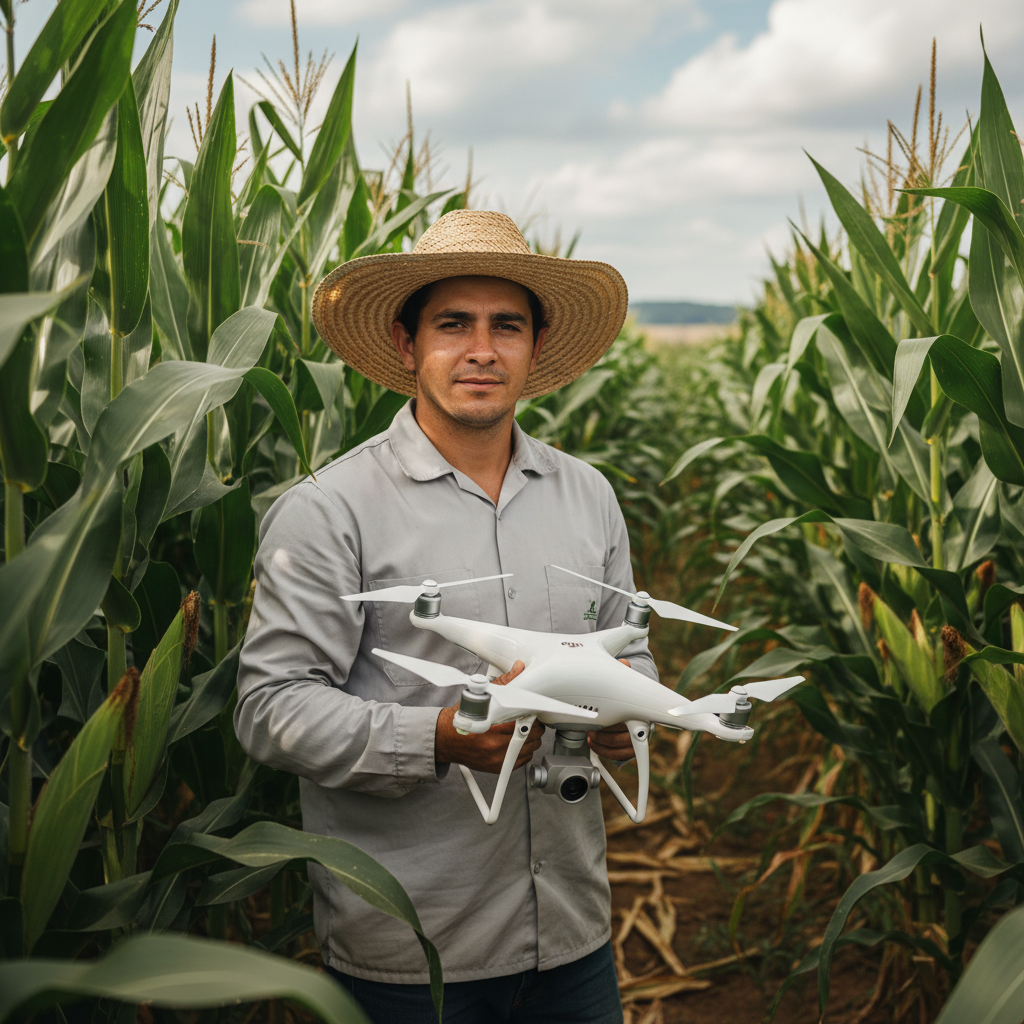
Lucas Fernandes Silva is an agricultural engineer with 12 years of experience in aerial mapping technologies and precision agriculture. ANAC-certified drone pilot since 2018, Lucas has worked on mapping projects across more than 500 rural properties in Brazil, covering areas ranging from small farms to large-scale operations. Specialized in multispectral image processing, vegetation index analysis (NDVI, GNDVI, SAVI), and precision agriculture system implementation. Lucas is passionate about sharing technical knowledge and helping agribusiness professionals optimize their operations through aerial technology.