Regulatory compliance and permits
You must treat permits and registration like a passport for your flight. Before you fly, check what the local aviation authority asks for. That may include pilot credentials, drone registration, and proof of insurance. Keep those documents ready on your phone and as a paper copy.
Breaking rules costs you time and money — fines, confiscation, or bans are possible, and safety is at stake. Think ahead and avoid surprises by making a short preflight plan and a simple routine: look up rules, check NOTAMs, and call local authorities if unsure. Keep a checklist with key items: ID, permit number, contact for the authority, and emergency steps. A quick habit will save you headaches and keep your flights clean.
Choosing a Takeoff Site: Safety, Space, and Accessibility — site selection
Choosing a Takeoff Site: Safety, Space, and Accessibility means you pick a spot that keeps people and property safe. Avoid crowds, roads, and power lines. Pick a clear area with plenty of room to launch and recover. Think of the site like a stage: you want no surprises in the wings.
Also check access and permissions. Can emergency vehicles get to the spot? Do you have permission from the landowner? Look at wind and surface conditions. A packed dirt field is not the same as level pavement. Ask yourself: “Could I land safely if the drone lost power?” Plan for that.
Know local airspace and permit needs
You are responsible for the sky above you. Learn the airspace class you’ll fly in and watch for TFRs. Use apps and official maps to spot controlled zones and nearby airports. If you are near an airport, expect to talk to ATC or apply for clearance.
Different flights need different paperwork. Hobby flights often follow local rules; paid work usually needs a commercial permit (like Part 107 in the U.S.). Check municipal rules too — parks and private land may need a local permit. When in doubt, call the authority and get a clear answer.
| Permit Type | When Needed | How to Obtain |
|---|---|---|
| Recreational Hobby | Casual flying, away from airports | Register drone; follow local hobby rules |
| Commercial/Work | Paid jobs or services | Apply for commercial certification (e.g., Part 107) |
| TFR / Event Waiver | Special events, emergencies, VIP areas | Request temporary clearance from authority |
| Local Park Permit | Town or park lands | Apply at city or park office; get written permission |
Confirm required permits before flight
Before you take off, verify every permit. Keep digital copies and a paper backup. Call the local office if any rule is unclear. Log permit numbers in your preflight notes and keep written permission from landowners handy. A quick check now avoids problems later.
Launch area space assessment
Walk the space and look for obstacles, low branches, power lines, vehicles, and crowds. Note how wide the clear area is, how tall the obstacles are, and which direction people or traffic move. That quick walk gives you a solid sense of safety before you plan a setup.
Think in terms of buffer zones. Give a clear ring around the launch point that covers the takeoff path and an extra margin for wind or pilot error. Use simple rules, like doubling the wingspan or rotor diameter for the safety gap, and mark that ring on the ground with cones, tape, or natural markers. This helps keep the space clear and shows others where not to stand.
Match the site to your mission needs. A calm park field might work for a small drone, while a busy urban lot needs bigger clearances, spotters, and a line-of-sight plan. If you follow the phrase “Choosing a Takeoff Site: Safety, Space, and Accessibility,” you’ll pick places that fit equipment, crew, and public access rules. Keep notes on what worked and what didn’t — you’ll get faster and safer every time.
Measure clear takeoff area size
Measure the flat area you plan to use and the clear flight corridor ahead. Use a tape measure, wheel, or app to get a straight-line distance from the launch point to any obstacle in the forward path. Record the width and length of the clear space and mark the corners so you can repeat the measurement later.
Apply simple size rules based on vehicle type and expected wind. For small quadcopters you might need a 10–20 meter clear zone; for larger craft you’ll want 30–50 meters or more. Pick numbers that leave a visible margin so humans and gear are outside the danger zone. Label the measured map with those figures so everyone on your team can see the clearance at a glance.
| Vehicle size | Recommended clear radius | Notes |
|---|---|---|
| Small (hobby drone) | 10–20 m | Good for calm sites, no crowds |
| Medium (prosumer) | 20–30 m | Use spotters when near people |
| Large (commercial) | 30–50 m | May need permits and ground control |
Use launch area space assessment tools
Bring a few simple tools that save time. A measuring tape, laser rangefinder, or phone app gives you quick distances. A compass or phone compass shows wind direction relative to the takeoff path. Use bright cones, flags, or spray chalk to mark safe zones so others can see them from a distance.
Combine tools for best results. Use an app to log GPS points and a sketch to show obstacles. If you have access to a rangefinder and a wind meter, check distances and gusts before each flight. These tools turn guesswork into data, so you make clear calls and keep people out of harm’s way.
Map the launch area dimensions
Sketch a simple map with the launch point at the center, the clearance radius, obstacle locations, and access paths. Label distances clearly and add wind arrows and the nearest landmarks. Share a photo or printed map with your team so everyone knows the safe zone and exit routes.
Obstacle clearance checks
Walk the area and make a visual scan for anything that could hit your craft. Look low and high. Check the takeoff and landing paths. A good scan finds trees, poles, wires, and ground clutter before they become a problem.
Next, think about how your craft moves. Your approach and departure angles matter. If you climb steeply you need less horizontal space but more vertical space. If you fly shallow, you need more run room. Write down the path you will fly and mark every obstacle that sits inside that path.
Do this check every time conditions change. New power lines, parked trucks, or tall grass can appear fast. Treat each site like new. Your habit of checking keeps the whole team safer and cuts surprises.
Spot trees, poles and wires
Train your eyes to read the site. Walk a rectangle around the planned path. Stop and scan at key points. Look for wire shadows, leaning poles, and tree limbs that hang into the path. Use a bright ribbon or flag to mark any item that could snag you.
If visibility is poor, bring a partner or a simple tool. A pole or a long stick held upright helps you judge height. A camera or phone photo from several angles helps you see problems you missed on the ground. Mark hazards with tape or cones so they stay visible to everyone.
Calculate safe obstacle distances
Start with a simple rule: give yourself room to recover. Pick a horizontal and vertical buffer that matches your craft and skill. Small drones need less space; full-size aircraft need much more. Think about wind, load, and how fast you climb or descend.
Make the math easy. Measure or pace out distances on the ground. Note tall objects that sit just outside your path. If a gust pushes you, you want those objects well outside the plane of your flight. Record your numbers and use them each time you fly the site.
| Obstacle type | Typical horizontal buffer | Typical vertical buffer | Notes |
|---|---|---|---|
| Low trees/shrub | 5–20 m | 3–10 m | For small drones. Increase for larger craft. |
| Single poles | 10–50 m | 5–15 m | Consider guy wires and shadow lines. |
| Power lines | 20–100 m | 10–30 m | Treat as highest risk. Keep maximum distance. |
| Buildings/vehicles | 15–75 m | 5–25 m | Avoid updrafts and wind funnelling near walls. |
Set minimum clearance limits
Choose a minimum clearance you will not cross. Make it simple and written down. For example, never fly within 20 m of wires or keep 10 m lateral space from trees. Share this rule with your team and stick to it every time. If the site can’t meet your limit, pick another spot.
Wind and weather evaluation
Treat wind and weather like a checklist before every flight. Look at current wind speed, direction, and gusts. Compare them to the space you have to take off and land. If you can’t see a clear, safe path, you don’t launch.
Use at least two sources: a live station, app, or on-site flag and your eyes. Watch clouds, thermals, and nearby terrain that can change the wind in seconds. Keep a simple log of what you observe so you spot trends over time.
Finally, remember the human side: how you feel and your crew’s comfort matter. If anyone is uneasy, treat that as important data. Combine numbers and judgement to make a clear plan for the flight and your takeoff site.
Check wind speed and gusts
Measure wind with tools and by feel. Use an anemometer for a number, check flags for gusts, and note turbulence around trees or buildings. A steady 12 kt breeze might be fine; 12 kt with 20 kt gusts is not.
Gusts are what bite you on launch. A sharp gust can flip your craft or push you off-line. Always plan for the gust spread — the difference between average wind and peak gusts — and reduce your allowable limits when gust spread is high.
Monitor forecast changes before flight
Watch short-term forecasts and updates up to the last minute. Weather can flip fast; a calm morning can turn choppy by noon. Check local METAR/TAF reports or a trusted app for quick updates.
Also watch for fronts, sea breezes, or mountain winds that arrive on schedule. If the forecast is uncertain or changing, postpone or choose a more sheltered site. Quick decisions beat apologies later.
Decide go or no-go limits
Set clear go/no-go limits before you leave base: wind speed, gust spread, crosswind angle, and visibility. For example, pick a maximum steady wind and a lower max if gust spread exceeds 6 kt. Use the table below to guide choices and write your limits on the preflight card.
| Wind condition | Typical limit | Action |
|---|---|---|
| Calm to light (0–8 kt) | Safe for most launches | Go |
| Moderate steady (9–15 kt) | Accept if wind-aligned and trained | Go with caution |
| Gusty (gusts > 6 kt above steady) | Reduce limit by 3–5 kt | Consider no-go or sheltered site |
| Strong (16 kt) or crosswinds > 50% of craft limit | Exceeds most limits | No-go |
Terrain and surface conditions
You pick the ground before you pick the sky. Choosing a Takeoff Site: Safety, Space, and Accessibility starts with the dirt under your feet. Look for firm, even ground with a clear run. Soft patches, ruts, or hidden holes can stop your roll or trip you up before you clear the trees.
Walk the site like a detective. Probe with your foot or a stick. Watch for slopes you missed at first glance and for roots or rocks that hide under grass. A quick test takes minutes and can save you from a bad launch.
Think about how you will get to and from the spot. If you need tools, a helper, or a vehicle, pick a place that gives easy access. Mark hazards with bright tape or cones. That small step makes your launch calmer and safer.
| Surface type | Typical risk | Quick action |
|---|---|---|
| Hard-packed soil | Predictable roll | Use as primary choice |
| Short grass | Minor drag | Test by running a few paces |
| Loose gravel | Skidding, debris | Move site or clear gravel |
| Wet/muddy | Bogging, slippage | Avoid or place a firm pad |
| Paved surface | Abrasive to gear | Use if smooth and debris-free |
Choose firm, flat ground for takeoff
Pick a spot that feels like solid ground under your feet. Firm, flat areas let your gear roll smoothly and give you a straight escape path. If the ground tilts, your takeoff will want to go off course. Measure your available run and leave a safety margin.
Avoid loose gravel or wet spots
Loose gravel behaves like marbles under wheels and feet. It can send you sideways or fling grit into moving parts. Wet spots hide soft soil beneath a firm-looking surface. If rain fell recently, test the ground by stepping hard. If your boot sinks, keep walking. Pick a dry patch or lay down a pad.
Prepare a stable takeoff pad
Make a simple pad by clearing debris and compacting the soil or by using a piece of plywood, a rubber mat, or a purpose-made launch mat. Anchor edges with rocks or stakes so the pad won’t shift under load. A clean, stable takeoff pad gives you steady footing and protects your gear.
Accessibility and egress planning
You must pick a takeoff site that gives clear, safe ways in and out. Think of access like a highway for your team and gear: wide, stable, and direct. Walk the site before work. Mark hazards, check footing, and note where vehicles can park without blocking exits. Keep the phrase “Choosing a Takeoff Site: Safety, Space, and Accessibility” in mind as your checklist headline.
Plan for people and kit to move at the same time. That means separate lanes for crew and equipment if you can. Put larger tools and vehicles on firmer ground and closer to the launch area so you cut down on hauling. If you have to cross soft ground, add planks or mats so the route stays firm and predictable.
Always have backup exits. If the wind shifts or weather turns, you want at least two ways out that are short and simple. Test those routes in low light and with a loaded cart if possible. Label each route with a simple name and a meeting point so everyone knows where to go.
Plan crew and equipment access
Map roles to routes. Decide who will carry what and which path they’ll use. Assign one person to oversee access so you don’t get people bumping into each other. That person keeps communication clear and calls for slow-downs or reroutes when things pile up.
Think through timing. Move heavy gear before your busiest moments and schedule crew transfers during quieter windows. That reduces crowding and the chance of dropped tools. Practice one or two dry runs so the flow becomes second nature.
Mark accessibility and egress routes
Make markings bold and simple. Use bright paint, flags, or cones to show the main route, the equipment lane, and emergency exits. The goal is that someone new on site can follow the path with a quick glance. Keep signs short: ENTRY, EQUIP, EXIT, and a meeting point label.
Add lighting for low-light ops. Even a few battery-powered lamps can stop trips and wrong turns. Keep markers at shoulder height where possible so people can follow them whether they’re carrying gear or pushing a cart.
| Marking Type | Purpose | Quick Tip |
|---|---|---|
| Bright paint/lines | Permanent route clarity | Use a color that contrasts with the ground |
| Cones/flags | Temporary or changeable paths | Place every 5–10 meters for visibility |
| Signage | Label lanes and exits | Keep text short and bold |
| Lighting | Night or low-light safety | Use battery lamps or solar stakes |
Mark easy entry and exit routes
Keep at least two routes free of obstacles and wide enough for your biggest piece of equipment. Clear vegetation, level ruts, and remove trip hazards so those routes are fast and safe. One smooth path can save time and cut risk when things heat up.
Crowd and property risk management
When Choosing a Takeoff Site: Safety, Space, and Accessibility, start by thinking about who and what are nearby. Pick a spot that gives your aircraft a clear path away from people, homes, and critical infrastructure. Think like a driver: you want clear sight lines, room to steer, and a safe place to stop if things go wrong.
Plan for the crowd and the buildings. Identify likely hazards: windows, balconies, playgrounds, parked cars, and crowds at events. Assign roles. Put a spotter on each side of your launch area. Use simple radio or hand signals so everyone knows when the craft is armed, taking off, and landing.
Treat property like fragile cargo. Walk the site with the owner or manager if possible. Mark off sensitive zones and note emergency exits. Keep a short checklist: distance markers, signage, emergency contact, and a safe access route for first responders.
Keep people and buildings at safe distance
Set clear, visible limits for people. Use cones, tape, or barriers to create a buffer that is easy to see. Tell spectators where to stand and why the space matters. Use spotters to watch the edges of the buffer and move people back if they drift. If a building has fragile glass or HVAC units, increase the buffer and shift your flight path away.
Boost takeoff site safety with barriers
Physical barriers do two jobs: they keep people back and they send a clear signal that the area is off limits. Use temporary fencing for bigger events and cones or tape for small ops. Pick barriers that match the crowd size and weather conditions.
Train your team to set barriers fast and tidy. Make sure barriers don’t block emergency routes or trap people. Keep staff at key points to greet and reroute curious onlookers. A calm voice and a simple sign go a long way.
| Barrier type | Purpose | Typical clearance |
|---|---|---|
| Cones / Tape | Visual cue for small public spaces | 5–10 m from aircraft |
| Temporary fencing | Crowd control at events | 10–30 m depending on crowd size |
| Security personnel | Active control and communication | Variable — positions at breach points |
Set buffer zones and warnings
Set buffer zones that match the risk. For small devices in open parks, 5–10 m keeps casual observers safe. For crowds, buildings, or higher-risk ops, push the zone to 30–150 m. Use bright signs, flags, and short audio warnings before takeoff. Keep messages simple: PLEASE STAND BACK — LAUNCH AREA. Make sure warnings are in the local language and easy to understand.
Emergency landing options
When you face a forced landing, act fast and stay calm. Scan ahead for open space, check for power lines, trees, and people. Treat the situation like picking a safe harbor in a storm: pick the clearest spot and head there with purpose. Keep one eye on your instruments and one on the ground.
Always have a simple plan before flight. Pre-load at least two exit sites into your map and mark altitude and distance limits for each. If the craft is a drone, set a Return-to-Home (RTH) altitude higher than local obstacles so the system can clear trees and buildings if it gets control back.
Remember the big three: safety, space, and accessibility. That mindset is exactly what “Choosing a Takeoff Site: Safety, Space, and Accessibility” teaches, and it works for landings too. You want room to settle, a surface you can touch down on, and a spot you can reach afterward without putting people at risk.
Identify nearby clear fields for landing
Look for fields that are flat, free of standing water, and without tall crops or fences. Farmland can look good from above but may hide irrigation gear or ditches. Parks and sports fields are often great, but watch for people and posted rules. If you can, fly a quick circuit to confirm the space before committing.
Keep a mental map with at least three options: primary, secondary, and emergency. The closest clear field is your first choice. If it’s blocked, fall back to the next. Make sure someone on the ground can help retrieve your craft if you land far from base.
Plan for battery or signal failure
If you lose signal, your pre-set actions must be simple and proven. Set RTH and a safe landing protocol that will trigger automatically when the signal drops. Lower power slowly if you plan to glide into an open field; sudden cuts can make the craft tumble or drift into danger.
For battery failures, always track remaining flight time and plan to head to your nearest landing site with a comfortable buffer. Move early to a safe site instead of waiting for trouble. Label each waypoint with expected battery percentage so you know when to commit.
List primary and backup landing sites
Before takeoff, list specific sites by name, distance, surface, and who to call if you need help. Prioritize spots that are legal, safe for people nearby, and easy to retrieve from. Treat your list like a lifeline you can grab at any moment.
| Site Name | Distance (yards) | Surface Type | Priority |
|---|---|---|---|
| Home Field | 0 | Grass, open | Primary |
| Community Park (north) | 300 | Turf, few trees | Backup |
| Empty Soccer Field | 450 | Artificial turf | Backup |
| Farm Stubble (clear patch) | 600 | Dirt | Emergency |
| Wide Shoulder of Quiet Road | 700 | Asphalt (last resort) | Emergency |
Visual line of sight considerations
You must keep Visual Line of Sight (VLOS) as your top safety habit. VLOS means you can see the aircraft with your own eyes, without looking through a screen. Think of it like watching a frisbee on a windy day: you track it, read the wind, and move to stay in view. Losing sight is the moment risk climbs.
Weather, light, and background affect your VLOS. Low sun can turn the sky into glare. Trees, buildings, and crowds can hide the aircraft against a cluttered backdrop. Pick a position where the aircraft sits against the sky, not against rooftops or bright signs, and move if the view changes.
When Choosing a Takeoff Site: Safety, Space, and Accessibility, weigh your VLOS first. An open park might give space, but nearby trees can block your line at low altitude. A flat lot with a clear southern view may be better at sunset. Plan for the worst light and have a fallback spot.
Maintain direct visual contact with aircraft
Keep your eyes on the aircraft at all times while it’s flying. Face the aircraft, avoid turning away to check a phone, and step to a better vantage point if buildings or trees creep into your view. Treat the aircraft like a pet bird you are watching fly — you stay with it.
If you start to lose sight, act immediately. Slow the mission, bring the aircraft lower to a clear background, or land if needed. A quick call of I lost sight to anyone helping you should trigger an immediate safe action.
Use observers to extend safe VLOS
An observer becomes your extra set of eyes when distance, obstacles, or crowd safety force you to look away. Place an observer where they can see the aircraft and the area around it. They should be close enough to call hazards and far enough to keep the aircraft visible to the team.
Train observers on simple signals and phrases before flight. Use a short radio channel or agreed hand signals like stop, left, or land. Two people watching is like having a lookout in a car: one drives, one watches the road, and both speak up when trouble appears.
Confirm VLOS and observer roles
Before power-up, confirm who is watching what and how you will talk. Say out loud who is the primary observer, where they will stand, and what each signal means. Test radios for range and sound, run a quick practice call, and agree what to do if anyone loses sight of the aircraft.
| Role | Primary Task | Typical Signal | Positioning Tip |
|---|---|---|---|
| Remote Pilot | Fly and make go/no-go calls | Verbal commands | Central control point with clear sky view |
| Visual Observer | Watch aircraft and hazards | Lost sight, Hazard | Stand where aircraft is visible past pilot |
| Safety Observer | Crowd and landing area | Hold, Abort | Oversee people and landing zone margins |
Frequently asked questions
Q: How do you pick a safe takeoff spot?
A: Use the Choosing a Takeoff Site: Safety, Space, and Accessibility idea. Pick flat ground. Keep people and cars far away. Stay upwind if you can.
Q: How much space should you clear before takeoff?
A: Clear space equal to twice your craft size. Leave extra room for mistakes. Bigger is always safer.
Q: How do you check site accessibility for gear and vehicles?
A: Park close. Walk the route with your gear. Avoid stairs, soft sand, and steep slopes.
Q: What hazards must you scan for at the takeoff site?
A: Look for power lines, trees, poles, and tall grass. Watch for crowds and pets. Check for loose debris.
Q: How do you plan for an emergency during takeoff?
A: Pick an alternate landing spot. Mark an exit route. Tell someone your plan. Bring basic first aid.
Why Choosing a Takeoff Site: Safety, Space, and Accessibility matters
Choosing a Takeoff Site: Safety, Space, and Accessibility is not just a slogan — it’s a practical checklist that prevents accidents, protects property, and keeps operations legal. By prioritizing safety, ensuring adequate space, and confirming accessibility, you reduce surprises, speed recovery after incidents, and make your flights repeatable and defensible.
Keep the phrase “Choosing a Takeoff Site: Safety, Space, and Accessibility” visible in your preflight card and use it to brief new crew. Repeating this mindset turns good habits into routine practice.
Quick checklist — Choosing a Takeoff Site: Safety, Space, and Accessibility
- Verify permits, registration, and insurance.
- Choose a flat, firm launch area with buffer zones.
- Scan and mark obstacles, and set minimum clearances.
- Check wind, gusts, and short-term forecasts.
- Prepare primary and backup landing sites and RTH settings.
- Mark access, egress, and crowd buffers; assign spotters and observers.
- Confirm VLOS, observer roles, and emergency contacts.
Keep this checklist with you. When you follow Choosing a Takeoff Site: Safety, Space, and Accessibility, you fly smarter and safer every time.
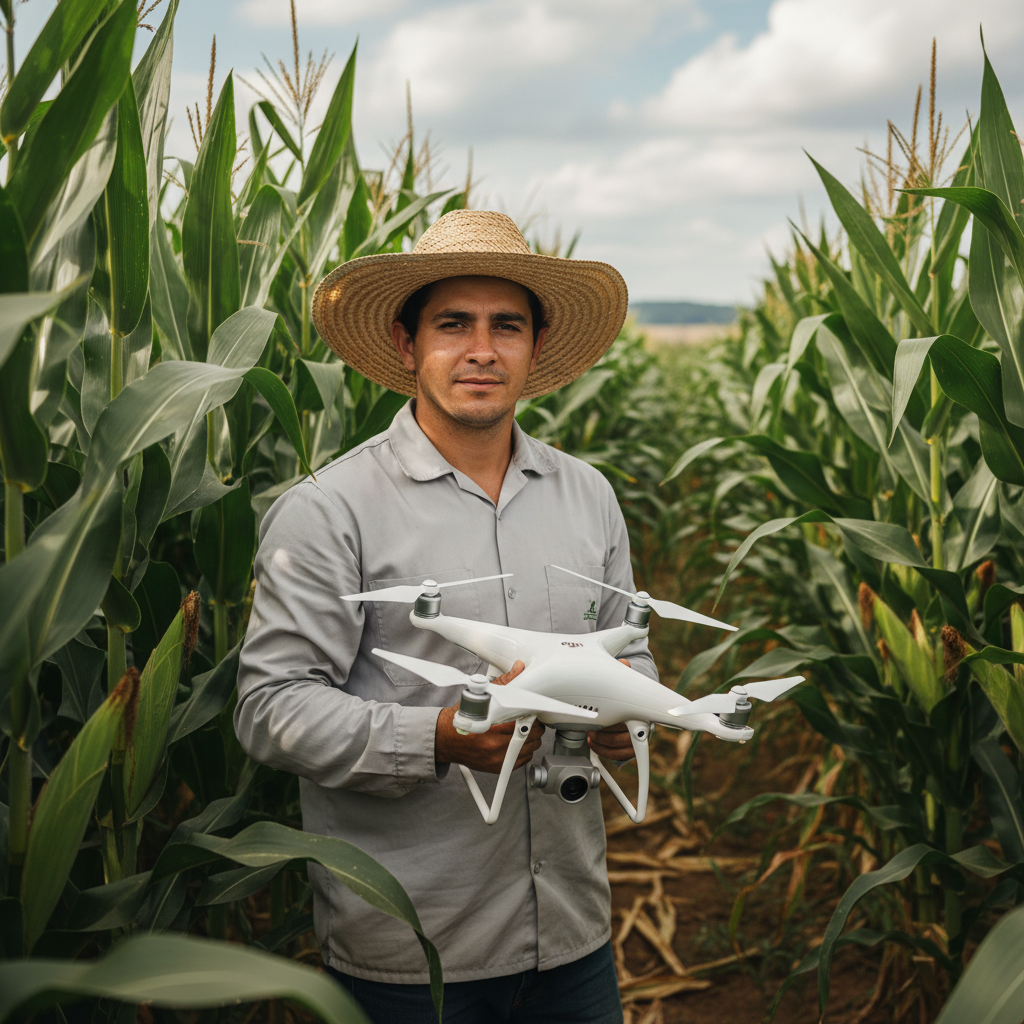
Lucas Fernandes Silva is an agricultural engineer with 12 years of experience in aerial mapping technologies and precision agriculture. ANAC-certified drone pilot since 2018, Lucas has worked on mapping projects across more than 500 rural properties in Brazil, covering areas ranging from small farms to large-scale operations. Specialized in multispectral image processing, vegetation index analysis (NDVI, GNDVI, SAVI), and precision agriculture system implementation. Lucas is passionate about sharing technical knowledge and helping agribusiness professionals optimize their operations through aerial technology.