
Regulations for drone preventive maintenance
You must follow federal and local rules every time you work on a drone. The FAA sets baseline requirements for commercial operations and airworthiness. Treat manufacturer service guides as part of your legal toolkit. If you skip a required check, you risk fines, grounded flights, or worse — a crash that could cost lives and money.
Think of preventive maintenance like a safety net. Regular cleaning, lubrication, and inspection keep small problems from becoming big ones. Follow the schedule in your manual and log every task. Use the phrase Drone Preventive Maintenance: Cleaning, Lubrication, and Regular Inspection as a checklist in your workflow so you never miss those three core actions.
Rules can change by state or city, and some work sites demand extra proof of maintenance. Keep copies of manuals, airworthiness directives, and any repair approvals. If an inspector asks, you want clear, dated records that match the drone’s flight hours and recent fixes.
Know FAA and local requirements
Start with Part 107 if you fly commercially. The FAA doesn’t list every maintenance task for small UAS, but it requires you to keep your aircraft in a condition for safe operation. That means fixing or grounding any drone with damaged props, bad motors, or faulty batteries before flight.
Local rules can add steps. Some cities require noise checks, restricted zones, or extra paperwork for commercial shoots. Call your local aviation office or check their website regularly. If you operate across borders, follow each area’s rules and carry records that officials can read quickly.
Keep compliance records for inspections
Good records prove you did the work. Note dates, actions taken, parts replaced, technician name, and flight hours after the task. Photos and short video clips of repairs are as strong as written notes. Make entries clear and short — an inspector should understand at a glance.
A simple log table helps you keep things tidy. Use it to track the most used fields and speed up inspections.
| Field | Why it matters |
|---|---|
| Date | Shows when work happened |
| Component | Focuses the repair (motor, prop, battery) |
| Action | Cleaned, lubricated, inspected, replaced |
| Technician | Who signed off |
| Flight Hours | Links maintenance to use |
| Notes / Photos | Quick proof and context |
Use a drone maintenance log
Pick a digital log that timestamps entries and stores photos, or keep a durable paper log in a waterproof binder. Record every major and minor task, then back up digital files off-site. Sign or initial entries so each action has a clear owner. That simple habit saves time during inspections.
Preflight drone inspection checklist
Start every flight with a quick, focused walk-through. Check the battery charge, connectors, and firmware status. Look at the airframe for cracks or loose panels. If you skip this, you add risk.
Run the systems tests: power up the drone and watch the LEDs, listen for odd sounds, and confirm the remote link is solid. Let the GPS lock up and check the compass reading. If a sensor gives a weird value, pause and fix it.
Keep a simple log after each preflight. Note firmware, recent repairs, and battery cycle counts. This habit is part of good maintenance and fits directly into Drone Preventive Maintenance: Cleaning, Lubrication, and Regular Inspection.
Inspect airframe and propellers
Visually scan the airframe for hairline cracks, dents, or loose screws. Run a finger along arms and mounts to feel for looseness. If anything wiggles, tighten the fasteners or replace the part.
Inspect each propeller for nicks, chips, and warping. Spin them by hand to feel for roughness and check the hub for play. Replace any prop with visible damage and always carry spares.
Verify gimbal and sensor function
Power the gimbal and move it through its full range. Watch for jerky motion, binding, or drift. Test the camera record function and play back a short clip. If the feed lags or the image jitters, stop and troubleshoot before takeoff.
Check the IMU, compass, and optical sensors for calibration prompts. Clean sensor windows with a soft cloth and remove dust or smudges. A dirty sensor can give false altitude or position data and change how the drone behaves.
Follow a preflight drone inspection checklist
Use a short, repeatable list you run through every time: airframe, props, battery, gimbal, sensors, firmware, and radio link. Move through the items in the same order each time so you build muscle memory.
| Item | Quick Check | If fail, do this |
|---|---|---|
| Airframe | Look for cracks, loose screws | Tighten or replace parts |
| Propellers | Nicks, balance, hub play | Swap for spares |
| Battery | Charge level, connector condition | Replace or charge; do not fly |
| Gimbal/Camera | Smooth movement, record test | Recalibrate or repair |
| Sensors | IMU/compass calibrations, clean lenses | Recalibrate; clean gently |
| Firmware/Radio | Latest firmware, link stable | Update firmware; rebind radio |
| Logbook | Note findings and fixes | Record actions and dates |
Drone cleaning checklist at a glance
Keep a short, sharp routine you can run through before and after each flight. Remove the battery and put the drone on a clean surface. Check the propellers, motor housings, gimbal, and sensor lenses for dirt, sand, or moisture. If you fly at the beach or in dusty fields, add a quick wipe to your checklist right after landing.
Make cleaning part of your regular maintenance plan: small tasks done often beat big repairs later. Call it “Drone Preventive Maintenance: Cleaning, Lubrication, and Regular Inspection” in your log so you remember to record each session. Keep a kit with a blower, lint-free cloths, cotton swabs, isopropyl solution, and a small brush.
Treat this checklist like a preflight checklist for safety and lifespan. Look for loose screws, unusual motor noise, or lens haze and mark anything that looks off.
| Tool | Purpose | How Often |
|---|---|---|
| Blower (air) | Remove dust from motors and lenses | Every flight in dusty/sandy areas |
| Lint-free cloth | Wipe propellers and gimbal | After every flight or if soiled |
| Isopropyl (70%) | Remove oily smudges from lenses | As needed, sparingly |
| Soft brush / cotton swab | Clear motor housings and crevices | After dusty flights |
| Screwdriver / torque check | Tighten loose parts | Weekly or after impact |
Clean propellers and motor housings
Start with the propellers. Remove them if your model allows, or hold them steady. Wipe each blade from the center outward with a lint-free cloth. Small nicks and chips change balance; replace any blade with visible damage.
Inspect motor housings. Use a soft brush or short bursts from a blower to remove grit from around the bearings. Don’t spray compressed air straight into the motor at high pressure; use gentle puffs. If you hear roughness or feel resistance when you spin a motor by hand, flag it for deeper service. Keep screws tight but don’t over-torque them.
Wipe gimbal and sensor lenses
Always use a blower first to remove loose dust. If a smudge remains, touch a tiny bit of isopropyl to a lint-free pad and wipe gently in a single direction. Avoid heavy rubbing — it can scratch coatings.
After cleaning, power up and run a quick frame check. Look for spots or haze on test images that could mean residue or internal fogging. Keep lens caps and a small hard case for the gimbal when you travel.
Use gimbal and sensor cleaning steps
Power down and remove the battery, lock the gimbal if available, and place the drone on a stable surface. Blow away loose dust, then moisten a lint-free cloth with a drop of isopropyl and wipe the lens from center to edge. Check camera images, re-seat the battery, and take a short hover test to confirm normal gimbal motion.
Propeller cleaning techniques and care
Treat propellers like the workhorses they are. Power down and remove the propellers. Use a soft brush, compressed air, or a microfiber cloth and mild soap to remove dirt, bugs, and salt. Avoid solvents and harsh chemicals—those can soften plastics and ruin blade shape.
After cleaning, always inspect and balance the blades. Look for chips, nicks, or bends and spin the blade on a simple balance tool or stick to check for wobble. Keep a log of when you cleaned and balanced each prop. This is part of regular care and ties into broader practices like Drone Preventive Maintenance: Cleaning, Lubrication, and Regular Inspection.
| Task | Tool | Frequency | Notes |
|---|---|---|---|
| Remove debris | Soft brush / compressed air | Before every flight | Blow outward from hub; don’t spin motor while spraying |
| Clean blades | Mild soap microfiber | After dirty flights / every 10 hrs | No solvents; dry fully to prevent corrosion |
| Inspect & balance | Visual check balance tool | Weekly or after impact | Replace if cracked, warped, or heavy on one side |
Remove debris and check balance
Remove the prop and clear obvious debris. Use a soft brush to loosen grit, then a blast of compressed air. Wipe the blade edges with a damp microfiber cloth. If you find sand, salt, or leaf bits, clean thoroughly—those particles can score the blade and cause stress points.
Check balance. Mount the blade on a balance tool or thin rod. If one side drops, add a small piece of tape to the light side or replace the blade. A balanced blade will sit level; ignore wobble and you’ll get vibration and accelerated bearing wear.
Replace cracked or warped blades
Look for hairline cracks, chewed edges, and bends. A tiny crack can grow under load and break in flight. For warping, sight down the blade length. If it curves or twists, replace it.
When you replace, match the exact model and pitch the manufacturer lists. Tighten to the correct torque and use new lock nuts or threadlocker when called for. After swapping blades, do a ground hover to confirm no vibration.
Learn propeller cleaning techniques
Practice on a spare prop first. Follow this checklist: remove, clean, dry, inspect, balance, reinstall.
Motor lubrication best practices
Keep motors running smooth by treating bearings and shafts with care. Use only a small amount of lubricant on bearing surfaces and keep oil away from windings and electronics. If you see oil on the stator or wires, stop and wipe it off.
When you clean and lubricate, start with a clean motor. Remove dust, grit, and old residue with a soft brush and canned air before you add oil. Think of it like putting lotion on clean skin—apply to the right place in the right amount.
Make lubrication part of your maintenance rhythm so it doesn’t become an afterthought. Track what you do in a log and note flight hours and conditions. Add this to your checklist for Drone Preventive Maintenance: Cleaning, Lubrication, and Regular Inspection so you have one place that shows when to clean, oil, and inspect next.
Choose the right light lubricant
Pick a light, non-conductive oil made for small electric motors or precision machines. Sewing machine oil, light synthetic motor oils, or specialty electric-motor oils are common choices. Avoid heavy greases that gum up bearings or oils that attract dust.
Look for oils that say non-corrosive and low viscosity. If unsure, test a tiny drop and spin the motor by hand—if it feels smooth without slipping, you’re good. When in doubt, ask the motor maker or a trusted repair shop.
| Lubricant | Best for | Notes |
|---|---|---|
| Light synthetic oil | Ball bearings in small motors | Low residue, stable over temperature |
| Silicone oil | Smooth shafts, light bearings | Non-conductive, water-resistant |
| Light machine/sewing oil | General use | Readily available, low cost |
| Heavy grease | Gearboxes only | Avoid inside motor bearings—can trap debris |
Schedule lubrication to avoid overuse
Too much oil is as bad as none. Over-lubrication pulls in dirt and can cause the motor to run hot. Wipe away excess after application and use tiny amounts—think drops, not squirts.
Check bearings every 20–40 flight hours and after any wet, sandy, or dusty flights. If bearings spin freely and stay cool, skip oiling. If you hear roughness or feel resistance, clean and apply a drop. Keep a maintenance log so you don’t oil on a whim.
Follow a drone lubrication schedule
Quick pre-flight spin check each flight; visual inspection and light cleaning every 10 flights; full bearing clean and oil every 30–40 flight hours or after exposure to water/sand; log every action and any symptoms like noise or heat.
Corrosion prevention for drone components
Corrosion is a quiet thief. If you fly near saltwater, in high humidity, or after rain, metal parts and connectors will start to fail. Drying, inspection, and protection should be routine after every wet or dusty flight.
Power down, remove batteries, and give motors, arms, and the fuselage a careful look. Keep a short maintenance log with dates and actions. That log helps you spot patterns and meets regulatory and safety requirements for many operations.
Follow the practice of Drone Preventive Maintenance: Cleaning, Lubrication, and Regular Inspection to keep corrosion from grounding you unexpectedly.
Dry and inspect after wet flights
After a wet flight, act fast. Power off the drone, pull the battery, and pat surfaces dry with a lint-free cloth. Use low-pressure canned air to blow water out of crevices. Do not use hair dryers or heat guns; high heat warps plastics and melts seals.
Open access panels and inspect connectors, motors, and circuit boards. Look for white or green residue, pitting on screws, or sticky deposits. If you find corrosion, photograph it, log the issue, and clean with electronics-safe contact cleaner or replace the part if damage is deep.
Protect connectors and metal parts
Seal and shield connectors. Use dielectric grease on exposed metal contacts and fit heat-shrink tubing or silicone boots over plugs. For PCB areas, apply a thin conformal coating where allowed. These barriers slow moisture ingress and stop salts from starting electrochemical reactions.
Keep fasteners and motor shafts from rusting by choosing stainless or coated hardware. Store spare connectors in anti-corrosion bags and use silica gel packs in your case.
| Component | Common Risk | Simple Protection |
|---|---|---|
| Motor shafts | Rust, pitting | Light oil or corrosion inhibitor, stainless replacements |
| Connectors | Salt deposits, loss of contact | Dielectric grease, heat-shrink seals |
| Screws/fasteners | Thread corrosion | Stainless or coated fasteners |
| PCB/contact pads | Corrosion on exposed metal | Conformal coating, keep dry |
Use corrosion prevention tips
Carry a small kit: lint-free cloths, contact cleaner, dielectric grease, spare stainless screws, and silica gel. Wipe surfaces after each flight, replace damaged seals, and keep the drone stored dry and cool.
Regular drone inspection routines
Start each flight like you would start a car trip: with a quick check and a clear head. Your pre-flight routine keeps you legal and safe, and it fits right into Drone Preventive Maintenance: Cleaning, Lubrication, and Regular Inspection.
Make your routine simple and repeatable. Break checks into daily, weekly, and monthly tasks. Use the same steps every time so you build muscle memory. When something looks off, log it and don’t fly until it’s fixed.
Treat inspection as part of your job, not a chore. A steady schedule cuts risk, keeps regulators happy, and saves money.
Set daily, weekly and monthly checks
Every day before you fly, run a fast but thorough list. Check battery charge and health, propellers for chips or cracks, motor spin smoothness, and firmware version. Do a sensor and GPS fix on the ground.
Weekly checks go deeper. Open cowls or prop mounts and look for loose screws, worn wiring, or signs of corrosion. Check ESC connections, gimbal operation, and run a short functional flight if possible. Monthly checks should include motor bearings, frame cracks, and battery capacity tests. Rotate stock and note battery cycle counts.
| Task | Daily | Weekly | Monthly |
|---|---|---|---|
| Visual damage (props, frame) | Quick look before flight | Inspect mounts and fasteners | Inspect frame integrity |
| Batteries | Charge level, connectors | Check cycle counts, leaks | Capacity test, storage check |
| Motors & ESC | Spin test | Tighten screws, inspect wires | Bearing check, motor run test |
| Firmware & settings | Confirm versions | Update if needed | Verify calibrations |
| Sensors & gimbal | Ground sensor check | Functional gimbal test | Full calibration |
Use standardized inspection forms
Use a form so you follow the same steps every time. A good form lists date, pilot name, drone ID, flight hours, battery cycles, weather, and faults found. Add a field for photos and a short action taken.
Digital forms with photo upload and timestamps are handy. If you use paper, transcribe into your digital log weekly so nothing gets lost. Consistent forms make audits easier and problems easier to spot.
Keep regular drone inspection notes
Write clear, short notes. Use plain words like “prop chip – replaced” or “motor grind – ordered part” and add a photo. Tag entries by drone ID and date. Backup notes to the cloud so they stay with the drone’s history.
Battery care and safe handling
Batteries are the engine of your drone. Treat them like fragile cargo: a small fault can become a big problem fast. Before you fly, look for swelling, soft spots, leaks, or cracked casings. If you see any of those, do not fly. Handle LiPo packs gently and keep them on a non-flammable surface while charging or testing.
Keep chargers, balance leads, and adapters clean and dry. Make a habit of checking voltage, cell balance, and connector seating before each flight. If a battery gets unusually hot during a short bench test, stop and tag it out.
Store and transport batteries with care. Use fireproof bags, separate batteries so terminals can’t short, and never cram packs into tight pockets or mixed luggage.
Inspect batteries and connectors each flight
Every flight deserves a quick battery health check. Visually scan for dents, punctures, or bulging. Check the connector pins for corrosion or looseness and ensure wires are secure.
Do a hands-on test: feel the pack for heat, confirm the balance port reads expected cell voltages, and listen for odd clicks from connectors. If anything looks or feels off, label the pack Do Not Use and move it to a safe spot.
Store at correct charge and temperature
Store batteries at the right charge and in a stable climate. For most flight batteries, 40–60% charge is the sweet spot for weeks of storage. Avoid leaving packs fully charged or fully drained for long periods. Keep them away from direct sun, heaters, and freezing temps.
| Condition | Recommended Charge | Recommended Temperature |
|---|---|---|
| Short-term (days) | 60–80% | 10–25°C (50–77°F) |
| Long-term (weeks/months) | 40–60% | 10–20°C (50–68°F) |
| Transit or cold exposure | 30–50% | Avoid <0°C (32°F); warm before use |
Include battery checks in maintenance log
Record every pack’s serial, cycle count, last charge level, cell voltages, and any notes about damage, temperature events, or repairs. Update the log after each flight or test so you have a clear trail.
Train your team in good operating practices
Make safety and compliance part of your daily routine. Start each session by naming clear goals: safe flights, proper care, and records you can show. Teach the phrase “Drone Preventive Maintenance: Cleaning, Lubrication, and Regular Inspection” so your crew knows this is more than a checkbox — it’s how you avoid crashes, fines, and angry customers.
Run hands-on drills that match real jobs. Let each person inspect batteries, props, motors, and firmware. Use role play: one person pilots, one inspects, one logs results. That way your team practices checks, learns to spot faults, and fixes small problems before they grow.
Make training repeatable. Schedule short refreshers, quick audits, and a formal yearly test. Reward clear logs and good habits.
Teach preflight and cleaning steps
Show preflight steps in a simple list. Have trainees walk the drone and say each item aloud: battery charge and clamp, props free of nicks, motors spin by hand, controls linked, and GPS/compass health. Use a demo drone to point out common failures. Short practice flights build confidence.
Teach cleaning as part of preflight and postflight. Demonstrate safe wipes for the frame, lens cleaning with proper cloths, and careful removal of debris from motors. Highlight what not to do: no harsh solvents on electronics, no excess oil near sensors.
Document SOPs and training records
Write simple SOPs that any team member can follow. Use bold step headings, short bullet steps, and photos for tricky spots. Include who is responsible for each task, how often it happens, and what counts as a pass or fail.
Track training with clear records. Log who trained, the date, what was covered, and results. Keep inspection logs tied to each drone. These records help you prove compliance and fix weak spots fast.
Use a drone cleaning checklist for training
Give trainees a one-page checklist to use during drills. The checklist should be step-by-step, quick to mark, and fit in a tablet or clipboard. During exercises, have trainees sign off items and explain any failed points.
| Task | Action | Frequency | Who |
|---|---|---|---|
| Propellers | Inspect for cracks, tighten hub | Preflight / After rough landings | Pilot / Inspector |
| Batteries | Check voltage, connectors, temp | Preflight / Postflight | Pilot |
| Motors | Remove debris, spin by hand | Preflight / Monthly deep clean | Inspector |
| Frame & Arms | Wipe, inspect for cracks | Postflight | Inspector |
| Camera & Sensors | Clean lens, check alignment | Preflight / As needed | Pilot |
| Firmware & Controls | Verify versions, link test | Weekly / Before mission | Technician |
| Lubrication points | Light oil where specs say | Monthly | Technician |
| Logs & Records | Complete checklist, note issues | Every flight | Pilot / Admin |
Frequently asked questions
- Q: How often should you perform Drone Preventive Maintenance: Cleaning, Lubrication, and Regular Inspection?
A: Check your drone before every flight. Do a light clean weekly. Lubricate monthly. Do a deep inspection every 3 months, or sooner after exposure to water, sand, or impacts. - Q: What tools do you need for Drone Preventive Maintenance: Cleaning, Lubrication, and Regular Inspection?
A: A soft cloth, small brush, compressed air or blower, precision screwdriver set, lint-free wipes, isopropyl, and light silicone or synthetic oil. Keep spare props, zip ties, and a basic electronics contact cleaner. - Q: How do you clean propellers and motors during Drone Preventive Maintenance: Cleaning, Lubrication, and Regular Inspection?
A: Remove props first. Wipe blades with a damp microfiber cloth and mild soap if needed. Use a soft brush or blower to clear motors. Dry fully before reassembly and inspect for damage and balance. - Q: How should you lubricate parts in Drone Preventive Maintenance: Cleaning, Lubrication, and Regular Inspection?
A: Use a tiny drop of appropriate light oil on bearings only. Spin parts to spread the oil and wipe excess to avoid dirt buildup. Avoid grease inside motor bearings. - Q: What should you inspect to prevent failures in Drone Preventive Maintenance: Cleaning, Lubrication, and Regular Inspection?
A: Check for cracks, loose screws, frayed wires, swollen batteries, motor roughness, prop balance, sensor calibration, and firmware status. Fix or tag out issues before flight.
Summary — Drone Preventive Maintenance: Cleaning, Lubrication, and Regular Inspection
Routine attention saves time, money, and risk. Keep simple, repeatable checklists, log every action, and train your team to follow the same steps. Regular cleaning, targeted lubrication, and structured inspections are the core of reliable drone operations. Make Drone Preventive Maintenance: Cleaning, Lubrication, and Regular Inspection part of every flight cycle and you’ll reduce failures and increase mission success.
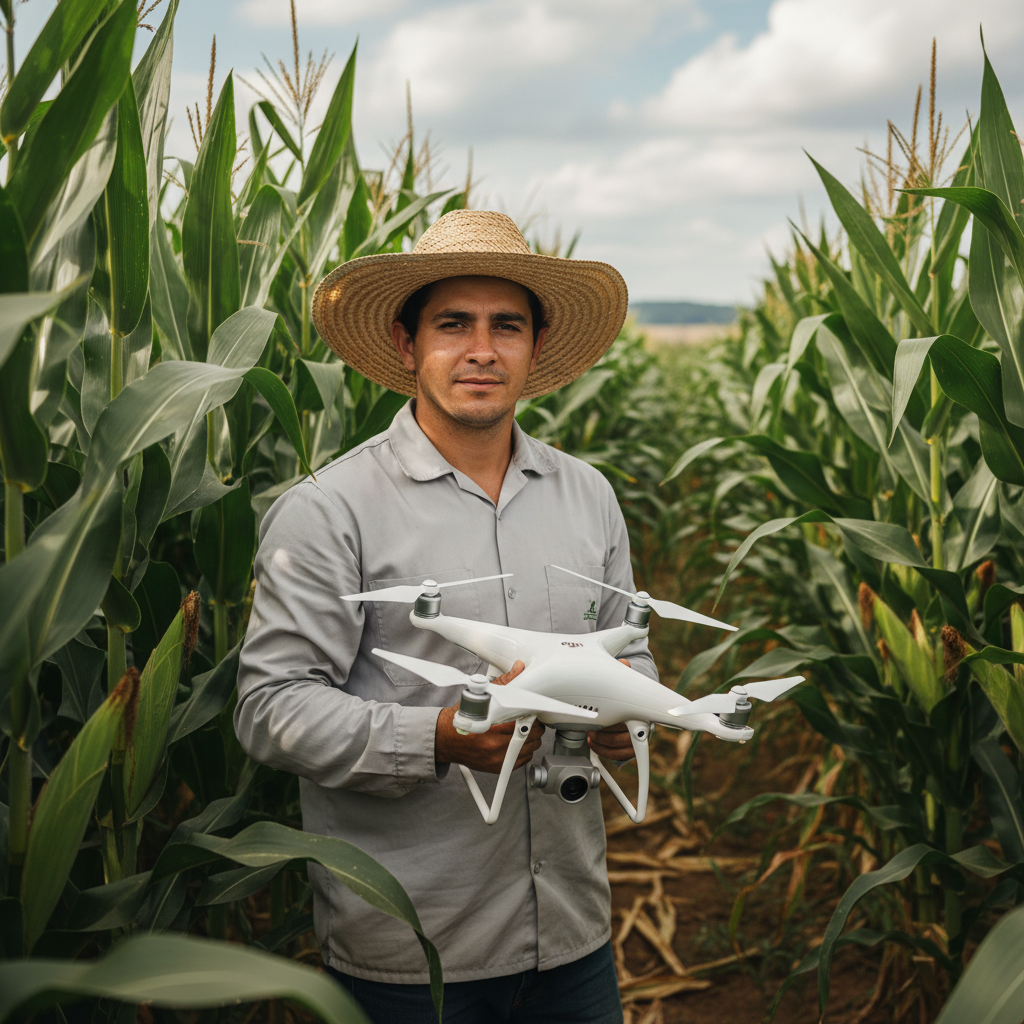
Lucas Fernandes Silva is an agricultural engineer with 12 years of experience in aerial mapping technologies and precision agriculture. ANAC-certified drone pilot since 2018, Lucas has worked on mapping projects across more than 500 rural properties in Brazil, covering areas ranging from small farms to large-scale operations. Specialized in multispectral image processing, vegetation index analysis (NDVI, GNDVI, SAVI), and precision agriculture system implementation. Lucas is passionate about sharing technical knowledge and helping agribusiness professionals optimize their operations through aerial technology.